DiabetesDiscuss Research Desk
(@research_desk • educator_hcp • Bengaluru)
📰 Editorial & Research Digest
Clinical Takeaway (European journal of translational myology): Experimental study on physical exercise in diabetes: pathophysiology and therapeutic effects
📰 Original News Report Snippet • Source: PubMed (European journal of translational myology)
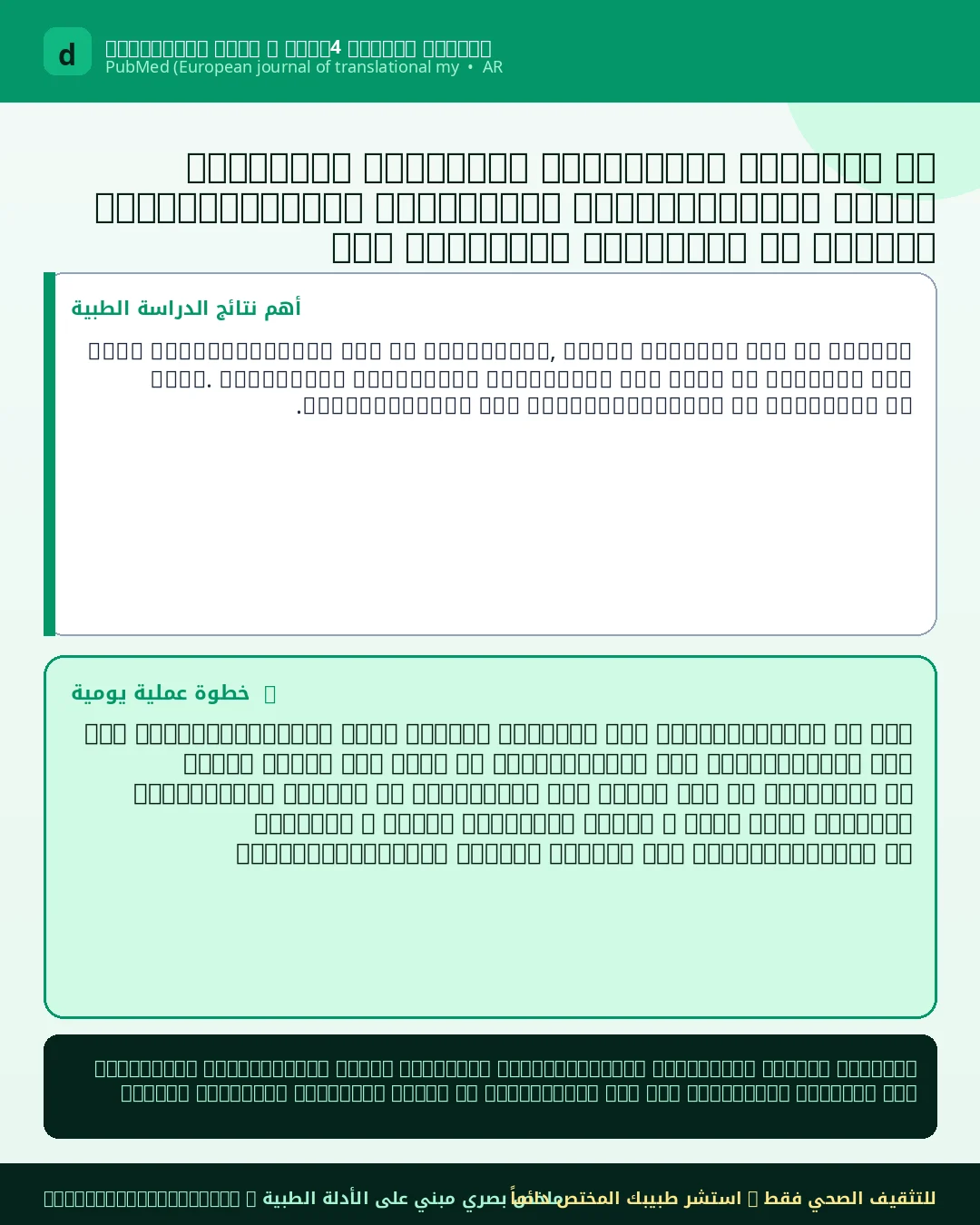
“Some complications can be prevented, their effects can be slowed down. Sedentary lifestyle increases the risk of obesity and consequently the predisposition to diabetes II. The article aimed to demonstrate the positive and negative effects of exercise on active and sedentary diabetics and on pathophysiology, evaluating the effects after 3 and 6 months.”Read Full Original News at PubMed (European journal of translational myology) ↗
💡 DiabetesDiscuss Clinical Takeaway & Actionable Guidance
Key Recommendation from Source Report: The expectations of the study were, not only in recognizing the therapeutic and preventive powers of exercise, but above all in choosing to program a motor protocol after a team work between diabetologist, sports doctor and kinesiologist and/ or personal trainer. Physical activity is an additional therapy to insulin.
Exercise & Post-Meal Movement Physiology: Contracting leg and core muscles absorb glucose directly from the bloodstream via GLUT4 transporters even with minimal extra insulin. Clinical trials consistently show that short 10–15 minute brisk walks taken within 15–30 minutes after main meals blunt 2-hour post-meal glucose spikes more effectively than a single stationary day with one workout. Combining post-meal walking with yoga or 2–3 weekly resistance sessions builds insulin-sensitive muscle mass — and if you use insulin or sulfonylureas during longer endurance workouts, always check glucose beforehand and carry fast-acting carbs to prevent exercise-induced lows.
💬 Community Discussion: Which movement routine—short post-meal walks, morning brisk walking, strength work, or yoga—gives you the steadiest glucose readings?
⚕️ Peer Experience Notice: Shared for peer educational discussion only and does not replace individualized medical advice from your physician or diabetes educator.
Community Replies (0)
💬 Add Your Reply or Vote →No peer comments yet — be the first to share your experience →
Reply / Open in Interactive IN Feed →
Educational community discussion • DiabetesDiscuss.com