Complete Diabetes Food & Glycemic Load Master Guide: Meal Sequencing, Resistant Starch, Millet vs. Rice Science & Regional Plate Blueprint
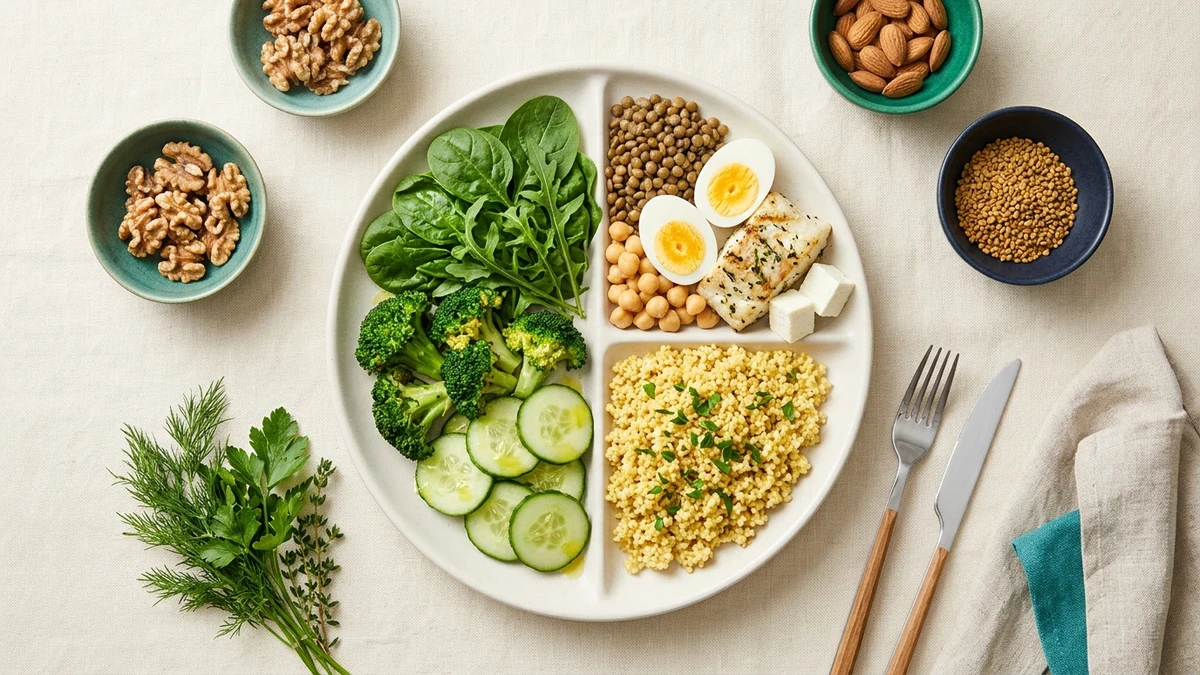
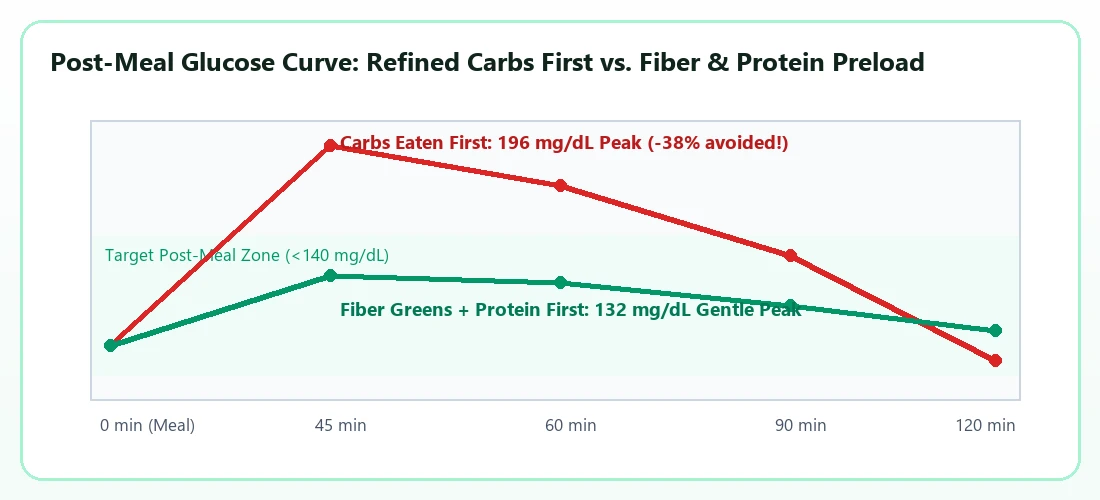
Why eating the exact same meal in a different order cuts 1-hour glucose spikes by up to 38%, how Glycemic Load differs from Glycemic Index, why liquid ragi porridge spikes faster than intact grains, and how to build satisfying daily plates without starvation.

Sustainable diabetes nutrition is never about starving or giving up cultural family meals—it is about mastering how fast carbohydrates enter the portal vein and how much total glucose arrives per sitting. Understanding four food-science principles turns every meal into predictable, steady energy.
1. Glycemic Index (GI) vs. Glycemic Load (GL): Why Portion Size Multiplies Speed
Glycemic Index (GI, 0–100) measures how rapidly 50 grams of a carbohydrate raises blood glucose compared to pure glucose. However, GI alone can mislead if you ignore portion size. Glycemic Load (GL = [GI × Net Carbs in grams] ÷ 100) captures the true real-world glucose burden of your actual serving:
- Low GL (≤10 per serving): Non-starchy greens, broccoli, cucumber, okra, moringa, lentils, chickpeas, nuts, seeds, berries, whole guava.
- Medium GL (11–19): 1 small measured cup (100g cooked) parboiled/hand-pounded rice, 1–2 besan-fortified phulkas, intact foxtail/barnyard millet.
- High GL (≥20): Large plates of white rice, maida naan/bread, mashed potatoes, instant oats, sweetened drinks, and strained fruit juices.
2. The Physiology of Meal Sequencing (Fiber → Protein/Fats → Starches Last)
Crossover clinical trials (including Weill Cornell Medical College studies in Type 2 diabetes) demonstrated that eating the exact same meal calories in a structured order—non-starchy vegetables first, lean protein and healthy fats second, and starches 10–15 minutes last—reduced 60-minute post-meal glucose increments by 37% to 46% and lowered insulin demand.
Soluble and insoluble vegetable fibers create a viscous mesh along the small-intestinal brush border, while amino acids and healthy fats trigger endogenous cholecystokinin (CCK) and GLP-1, slowing pyloric stomach emptying before rice or flatbread ever arrives.
3. Resistant Starch & Grain Structure: Intact Millets vs. Boiled Porridge
Particle size and cooking moisture dramatically alter starch gelatinization:
- Intact Grains Beat Flour Gruels: Grinding finger millet (ragi) or oats into ultra-fine flour and boiling it into thin liquid porridge (kanji/malt) exposes 100% of starch granules to salivary and pancreatic amylase, causing rapid +55 to +70 mg/dL 1-hour spikes. Chewing whole intact unpolished millets (foxtail/thinai, barnyard/kuthiraivali, little millet/samai) or thick vegetable-lentil adai preserves cellular walls for slow digestion.
- Retrograded Type-3 Resistant Starch: Cooking parboiled rice or potatoes, cooling them in the refrigerator for 12–24 hours, and gently reheating converts a portion of digestible amylose into resistant starch—which bypasses rapid upper-gut glucose absorption and feeds beneficial butyrate-producing colon bacteria.
4. Practical Staple Swap & Glycemic Impact Reference Table
Step-by-Step Usage & Clinical Protocol
- Start lunch and dinner with 1 cup of cucumber/tomato/carrot salad or sautéed leafy greens 5–10 minutes before eating starches.
- Include 20–25g of protein at every main meal (lentils, chickpeas, sprouts, eggs, paneer, tofu, or fish) to trigger natural GLP-1 satiety.
- Use a simple kitchen food scale or 150 ml measuring cup for 1 week to calibrate what a true 100g cooked grain portion looks like on your plate.
- Finish dinner 2.5 to 3 hours before bedtime so postprandial insulin clears before nocturnal melatonin rises.
- Run a personal 'Paired Glucometer Test' (Pre-Meal vs. 2-Hour Post-Meal, aiming for a <30–40 mg/dL rise) whenever testing a new grain or fruit.
Common Home-Testing Mistakes to Avoid
- ⚠️ Drinking boiled ragi porridge or fruit smoothies assuming 'healthy whole ingredients' won't spike blood sugar once blended/liquefied.
- ⚠️ Trusting front-of-pack 'Sugar-Free / Diabetic Friendly' biscuit labels that hide Maltodextrin (GI ~105) or refined wheat flour (maida).
- ⚠️ Skipping carbohydrates completely while taking sulfonylureas or rapid mealtime insulin without physician dose adjustment (hypoglycemia risk).
- ⚠️ Cooking in reheated refined seed oils or excess trans-fat vanaspati instead of cold-pressed mustard, groundnut, olive, or measured ghee/nut fats.
How This Helps Your Daily Diabetes Management
- ✓ Reduces post-meal glucose excursions by 30%–45% without extreme calorie deprivation or hunger.
- ✓ Lowers fasting triglycerides, fatty liver (MASLD) accumulation, and late-afternoon energy crashes.
- ✓ Builds culturally enjoyable family meals sustainable across years rather than 2-week crash diets.

FreeStyle Libre 2 / 3 Waterproof Sensor Overpatches (25-Pack Breathable Cotton)
Top-rated by 420+ Indian community members for monsoon & summer workout sweat protection without skin irritation.
Affiliate Disclosure: As an Amazon Associate I earn from qualifying purchases. Indicative price; live price & availability confirmed on Amazon.
- Diabetes Care (Weill Cornell) — Food Order Has a Significant Impact on Postprandial Glucose and Insulin Levels ↗
- American Diabetes Association — Nutrition Therapy for Adults With Diabetes or Prediabetes Consensus Report ↗
- Asia Pacific Journal of Clinical Nutrition — Cooling of Cooked White Rice Increases Resistant Starch & Attenuates Glycemic Response ↗